Why Your Toilet Keeps Running
A running cistern is losing water somewhere it should not, and the noise is the sound of a water bill climbing. If the toilet keeps running after the tank has filled, one of three parts inside is at fault, and each leaves a clear sign. A licensed plumber from our Griffin team sorts these faults most weeks, but you can often narrow down the cause yourself first.
If we're late, $100 comes off your bill

- Licensed and InsuredEvery job done by a licensed plumber. QBCC No: 15024607
- Fixed Quote FirstFlat-rate pricing, agreed before any work starts
- Lifetime Labour WarrantyBacked by our Fix-It-or-It's-Free guarantee (T&Cs apply)
- $0 Call-Out FeesNo extra charge for nights, weekends or public holidays

The suburb gives the problem extra sting. Most houses here went up in the early 2010s, so their original cistern valves are past their first decade, which is the age where washers harden. With most homes rented, a silent leak also tends to land on an owner's water account via a property manager.
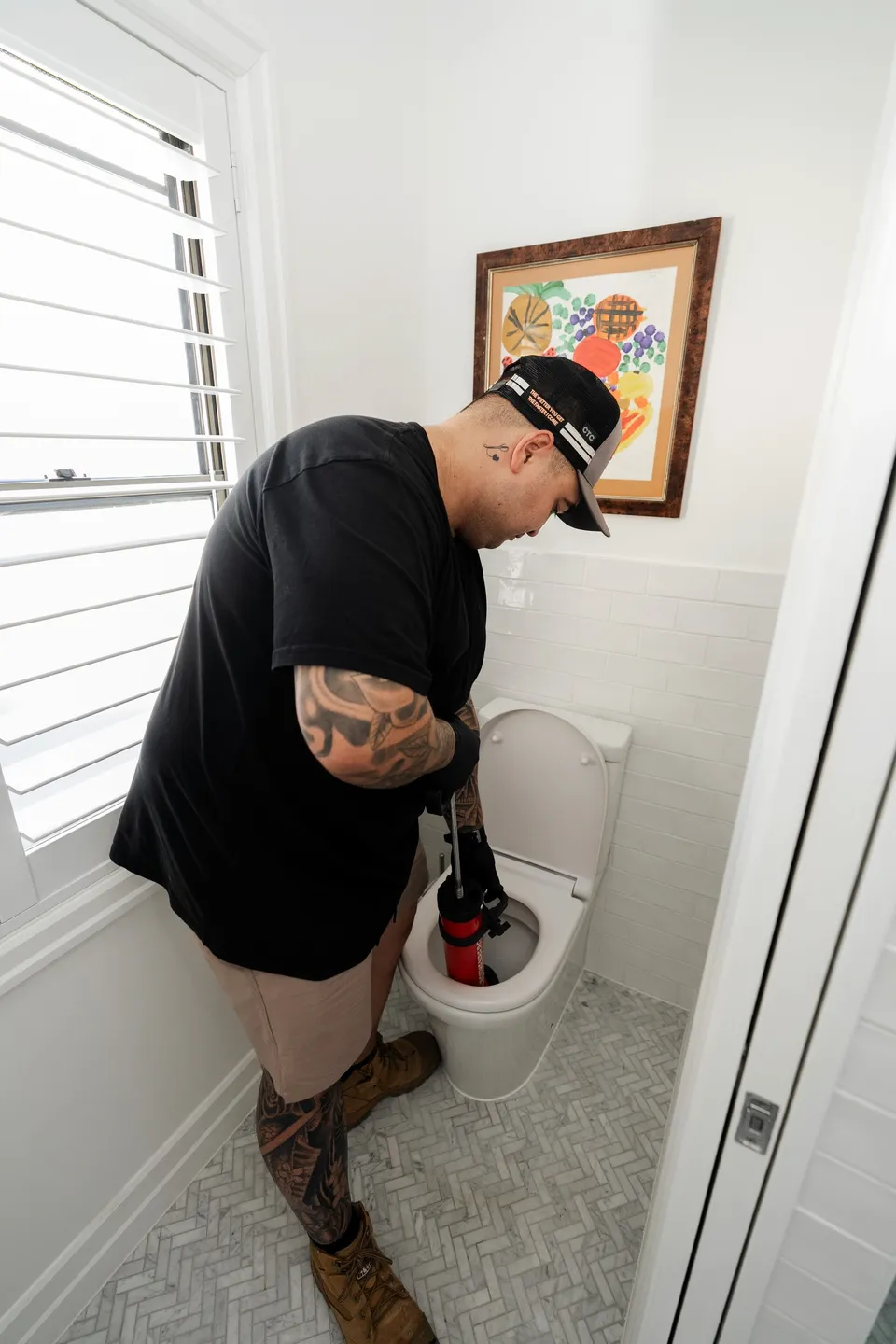
The Three Causes of a Running Toilet
Three parts cause a running cistern: an inlet valve that cannot shut off, a flush-valve seal leaking water into the pan, and a water level set high enough to spill through the overflow. Each one announces itself differently.
Inlet valve that will not close
The inlet valve refills the tank after each flush and stops when the float reaches its mark. A hiss or trickle that keeps going once filling has finished points to this valve.
Outlet-valve seal leaking
The outlet valve holds the tank's water between flushes. A worn seal lets water slip past into the bowl, so the inlet valve tops the tank up again and again.
Water level above the overflow
The overflow is a safety outlet that carries surplus water away rather than letting the water reach the floor. A float set too high, or a valve that ignores the float, sends water out through the overflow and sometimes down an outside pipe.
A cistern that tops up every few minutes with nothing flushed points to the outlet-valve seal. A hiss that never ends points to the inlet valve.

What Colour in the Bowl Tells You
Drop a little food colouring into the cistern, leave the toilet unflushed, and check the bowl later. Any colour down there means the cistern is draining into the pan unseen, and the outlet-valve seal is the part at fault.
A few details make the check easy to trust:
- Flush straight afterwards to rinse the colour away; food colouring leaves no mark on a ceramic bowl.
- A bowl with no colour in the water tells you the outlet valve is holding, so turn your attention to the inlet valve and how high the water sits.
- No colouring in the house? Stick a square of dry loo paper to the inside back of the pan, clear of the water. If the paper wets through, water is creeping down that surface and the toilet leaks.

Slow, Partial or No Refill After a Flush
A cistern that fills slowly or not at all usually traces back to three faults: an inlet valve worn or jammed, a float sitting below the set level, or a stop tap only partly open.
Check the stop tap first, since a tap closed for an earlier repair costs nothing to reopen.
Water flowing nonstop while the level stays low is the confusing case. The outlet-valve seal may be releasing water as fast as the inlet valve sends water in, so the cistern never fills. A weak, stop-start refill with the supply fully open points back to the inlet valve itself.
The QBCC List of Unregulated Cistern Work
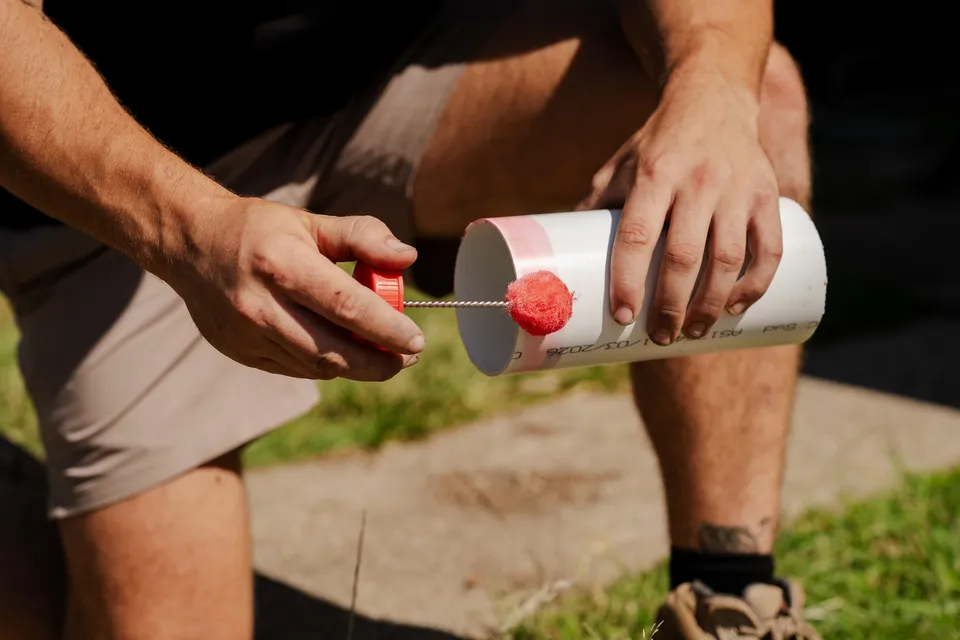
The QBCC lists three cistern parts as work a home owner may do without a licence: the float valve washer, the drop valve washer and the suction cup. The rules call this unregulated work, so no approval or report is needed, though the finished job still needs to meet the standards. The regulator's test is whether the person holds the knowledge and skill the task requires.
Anything beyond those three parts counts as minor work, which Queensland reserves for a QBCC licensee; no permit or form applies.
Queensland tenancy law puts the owner or manager in charge of keeping a rental repaired, and the tenant should raise faults promptly. The emergency repair list covers a toilet that is blocked or broken, not one that keeps running, so this fault is routine and gets attention within a reasonable time.
Does the Water Utility Cover a Running Toilet
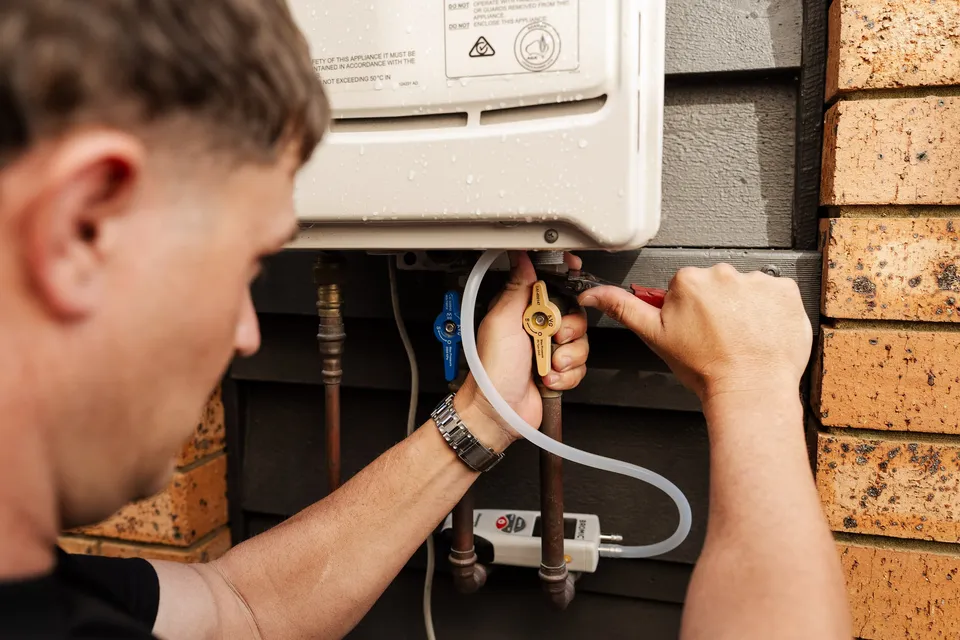
No, Unitywater's concealed-leak adjustment leaves cisterns out, along with dripping taps, hot water systems and other water appliances. The adjustment exists for hidden pipe faults under ground or inside walls, not for a fault sitting in plain view at the pan.
Primary responsibility for a leak, and for the water a leak wastes, sits with the property owner. That makes a quietly running cistern an owner's problem to fix sooner rather than later, because the utility will not trim the bill afterwards.
When to Call a Plumber
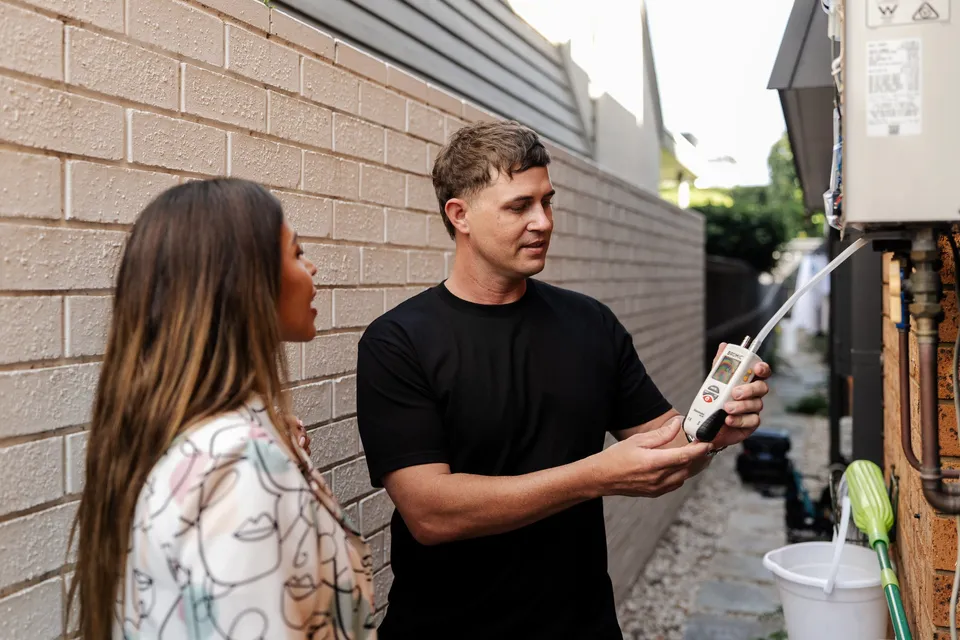
Ring us when the dye check shows colour, the hiss continues after filling, or the cistern stays low with the stop tap fully open. A toilet keeps running for days on end when nobody acts, and the wasted water is metered the whole time.
Our toilet repairs page covers the work a licensed plumber does on these faults, from valve swaps to button assemblies. Tenants report the fault to the owner or manager first and follow up if nothing happens soon.
Owners can ring us directly, from the river-side streets to the newest releases off Aspire Parade. We name the failed part, quote a fixed price and finish in one visit where parts allow.
Running Toilet Questions
Call (07) 3524 7137Why is my toilet cistern not filling up?
Most often the inlet valve has worn or blocked, the float sits below the set level, or the stop tap is only partly open. When water flows but the level never rises, the seal on the outlet valve may be letting water out as fast as it arrives. A licensed plumber pinpoints the fault in one visit anywhere in Griffin.
How do I check my Griffin cistern for a silent leak?
Put a little food colouring in the cistern and leave the toilet unflushed. Colour that shows in the bowl means tank water is escaping past the outlet-valve seal. Flush afterwards, because ceramic bowls do not stain.
Will food colouring stain my toilet bowl?
No, food colouring will not stain a ceramic bowl, and one flush rinses it away completely. Keep the colouring off fabrics and benchtops, since those surfaces can mark.
Which cistern parts can a home owner replace in Queensland?
The QBCC treats three cistern parts as unregulated: the washer on the float valve, the washer on the drop valve and the suction cup. Anyone capable may swap them, provided the result still meets the standards. Everything else on a cistern needs a QBCC licensee, since Queensland classes it as minor work.

Ring Us About the Loo That Runs OnWe'll call you back.
Call (07) 3524 7137 to book a plumber in Griffin. We're available 24/7, with $0 call-out fees, flat-rate pricing and same-day where we can.
To claim your $0 call-out fee, call (07) 3524 7137 today.